King Estate makes sparkling wine in the traditional French method, or méthode champenoise. It’s a time and labor intensive process that takes about five years from start to finish. As the 2021 sparkling Brut Cuvée nears completion, we take a look at the final steps.
The winemaking process calls for adding a tiny amount of yeast to the base wine after the first fermentation. Yeast is what creates all the bubbles we love in a sparkling wine. After the wine has aged a minimum of three years (longer in the case of this wine), it is time for disgorgement to remove the yeast sediment. This completes the bottling process save for labeling and corking.
There is an important intermediate step, however. Prior to disgorging all the bottles, winemakers conduct final trials on a handful of bottles to make any needed adjustments and help determine how best to finish the wine. These trials took place in November, beginning with disgorging a few bottles by hand for testing and tasting.
What is riddling?
The disgorgement process begins by riddling the bottles. Riddling is where the sediment from fermentation is moved to the neck of the bottle. Traditionally this was done on a wooden riddling rack where the bottles would be rotated and gradually turned neck down. For our purposes, we achieve a similar result by storing the bottles neck down in a cold room. Then the bottle necks are frozen (we use dry ice snow) to solidify the yeast sediment.
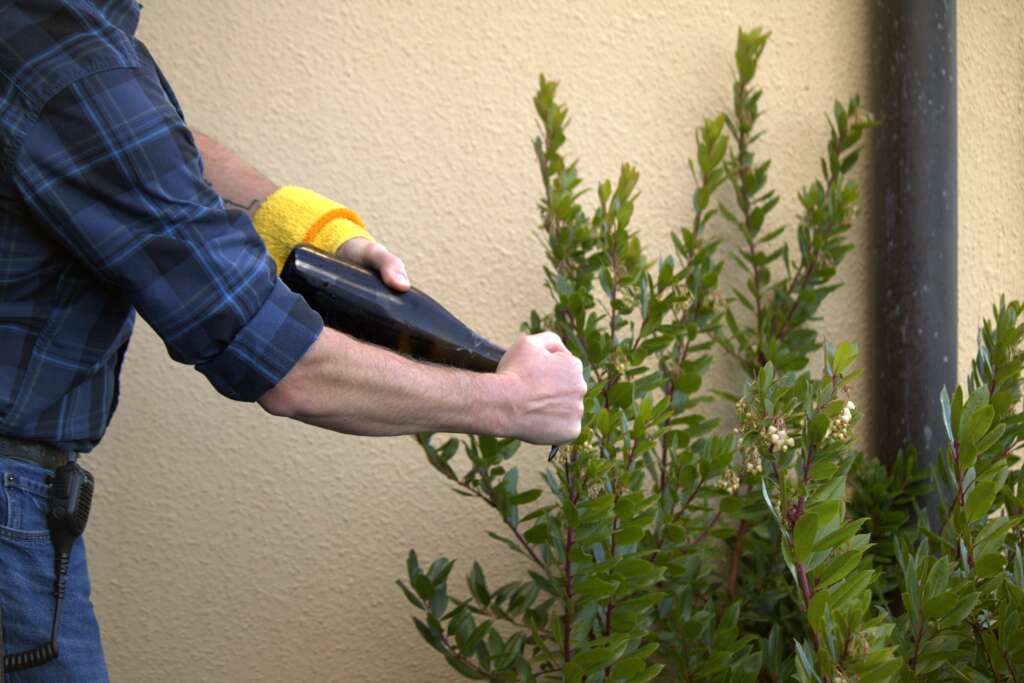
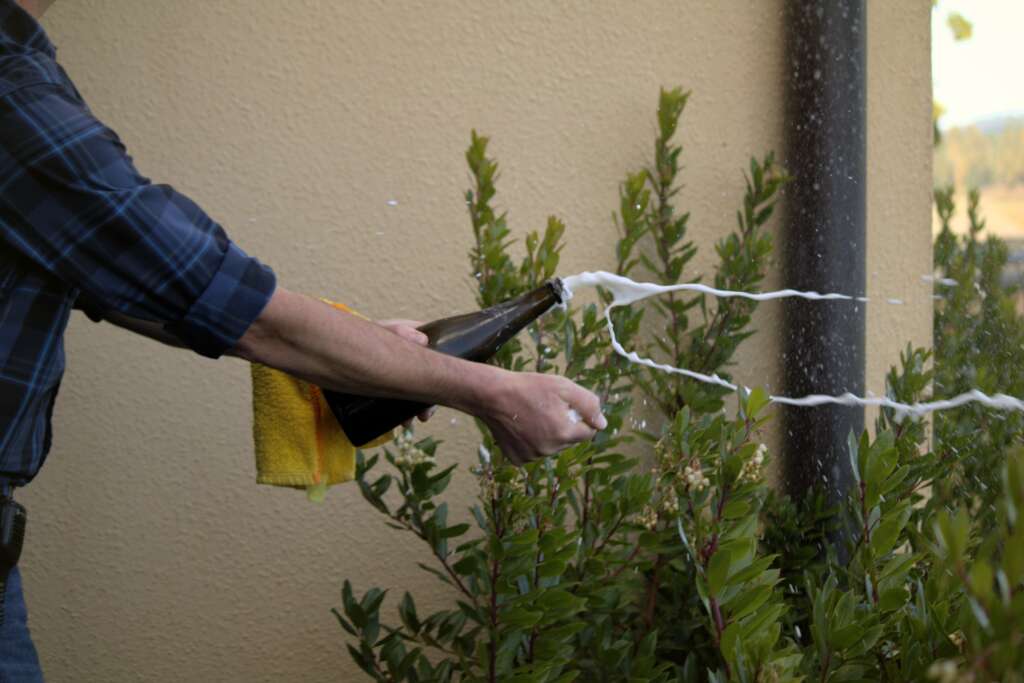
To expel the yeast plug, the bottle is held in an inverted position. In one smooth motion, the bottle is rotated upright and while the crown cap is removed. The pressure inside the bottle will expel the yeast plug. If the wine is cold enough, the bubbles will stay in solution and minimal wine will “gush” out of the bottle.
Dosage is the finishing touch
As this stage our wine is ready to use for finishing trials. This is where we evaluate dosage, or level of sweetness, to know how much liqueur d’expédition (mixture of wine and sugar) to use to strike the right balance between acidity and sweetness. For our sparkling Brut Cuvée we purposely select grapes with high concentration of acidity for better aging potential. That means we need to balance this racing acidity with a small amount of sugar at dosage.
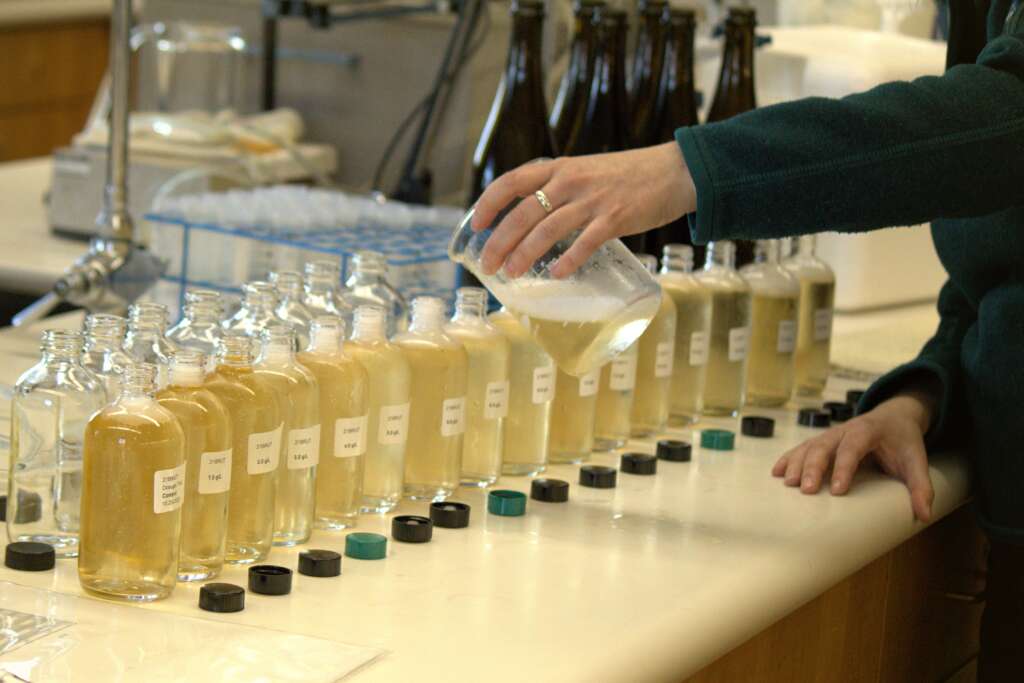
Once our trials are complete and the right blend has been achieved, the bottle will be topped up with reserved base wine. Then cork, wire cage and label are applied to finish the bottling process. The wine will settle for a few months before it is ready for release, five years after the grapes were first harvested from our own estate vineyard. Look for our 2021 King Estate Brut Cuvée to be released next year.
